NightVision Interview with CISA’s Nick Andersen | Part 4 of 4 (Series Finale) | Recorded live at Black Hat 2026, Las Vegas
THE TAKEAWAY
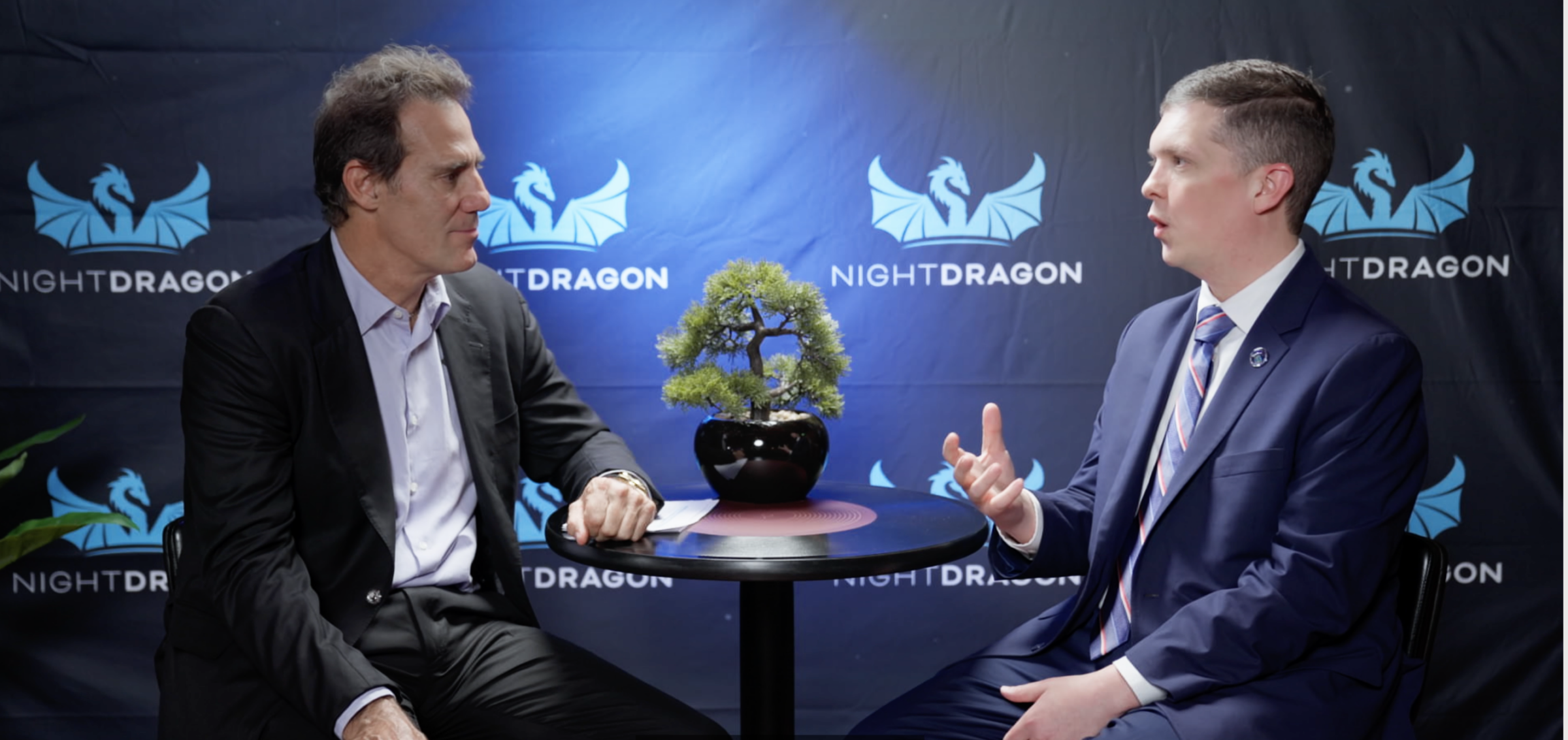
Nick Anderson, Acting Deputy Director of CISA, joined NightDragon Founder & CEO Dave DeWalt at Black Hat 2026 for the final conversation in NightVision’s four-part series on national cyber leadership. Anderson explained how CISA prioritizes across cybersecurity, infrastructure security, and physical security missions, detailed the agency’s role securing major events like the World Cup and Super Bowl, and outlined a new binding operational directive reframing vulnerability management for the AI era.
Speaking with Dave DeWalt at Black Hat 2026, Nick Andersen, Acting Deputy Director of CISA, a decorated U.S. Marine, and a veteran of both the public and private sectors, closed out NightDragon’s four-part NightVision series on the leaders shaping U.S. cyber defense.
What is CISA’s core organizing principle across its mission areas?
Andersen said CISA’s mission spans cybersecurity, emergency communications, infrastructure security, and physical security. The agency can’t defend everything everywhere at once, whether the subject is post-quantum cryptography timelines, AI-enabled vulnerability research, or identifying the essential services that must keep functioning no matter the crisis, man-made, natural disaster, or act of terror.
How does CISA help secure major events like the World Cup and Super Bowl?
As the nation’s civilian cyber defense agency, risk advisor, and national coordinator for critical infrastructure security and resilience, CISA leads federal coordination teams that deliver security services for major events, including the World Cup, college football playoffs, F1 races, and the Super Bowl among them. That work spans securing election infrastructure alongside state and local officials, issuing risk-prioritization guidance such as binding operational directives for vulnerability management, and providing Office for Bombing Prevention training on street-closure planning ahead of mass gatherings.
How is AI changing vulnerability management, and what is CISA doing about it?
Andersen framed U.S. frontier AI models as an American innovation success story reshaping vulnerability management and defensive operations, while acknowledging the same dual-use dynamic applies to any powerful capability, offensive or defensive. CISA’s response has been a recently signed binding operational directive that reframes vulnerability management around clearer prioritization criteria: is the vulnerability internet-accessible, publicly facing, capable of being automated by an adversary, and actively being exploited in the wild.
“This is just American innovation success story, all day, every day.“
Nick Andersen, Acting Deputy Director, CISA
What should CISOs and boards be doing differently in the “frontier lab era”?
Andersen said the speed of the current AI moment is mostly exposing existing tech debt: weak asset management and visibility, unclear architecture, or fragmented IT environments left over from acquisitions that were never fully consolidated. His advice: build real visibility into your attack surface before layering on frontier tools, and use this moment to get boards and CISOs substantively engaged on risk appetite, prioritization, and realistic resourcing.
How is AI reshaping public-private partnership and vendor capability?
Andersen pointed to the commoditization of offensive security skill is now far more broadly accessible through AI-enabled tools. He framed that as an opportunity: companies can continuously turn those same tools on their own infrastructure, closing the gap between how an organization perceives its defensive posture and how an adversary actually sees it, at a fraction of the cost and time that kind of testing used to require.
Watch the Full Interview
About NightVision
NightVision is NightDragon’s ongoing interview series, hosted by Founder & CEO Dave DeWalt, featuring conversations with the government, military, and industry leaders shaping cybersecurity, defense, and national security. This conversation with Nick Anderson closes out a special four-part series with the leaders our nation has entrusted with its cyber defense — following conversations with National Cyber Director Sean Cairncross, FBI Cyber Assistant Director Brett Leatherman, and Department of War Assistant Secretary Katie Sutton. New episodes are available on the NightDragon site, YouTube, Apple Podcasts, Spotify, and Amazon Music.